Two very different products now compete for the same socket in your living room. Fibre broadband arrives down a cable, after an engineer visit and a wait for an installation date. 5G home broadband arrives by courier: a hub with a SIM card inside that plugs into a normal power socket and is online before your tea goes cold. If you have seen the adverts — average speeds around 150Mb, no landline, no engineer — and wondered how 5G home broadband vs fibre really compares once the novelty wears off, this is the honest version: where the mobile hub genuinely wins, where the cable still walks it, and the three questions that decide it for your house. Before you choose either, measure what you currently get on the SpeedTestUK homepage; plenty of people shop for a new connection when their existing one was never the problem.
How each one actually reaches your house
Fibre broadband — whether part-fibre (FTTC) or full fibre (FTTP) — is a fixed physical connection to your address. Its performance is determined by your line: its length, its condition, and the package you buy. It does not care about the weather, your neighbours’ behaviour, or which room you sit in; the same speed arrives at the router at 3am and at 7pm, give or take a little evening congestion on cheaper networks.
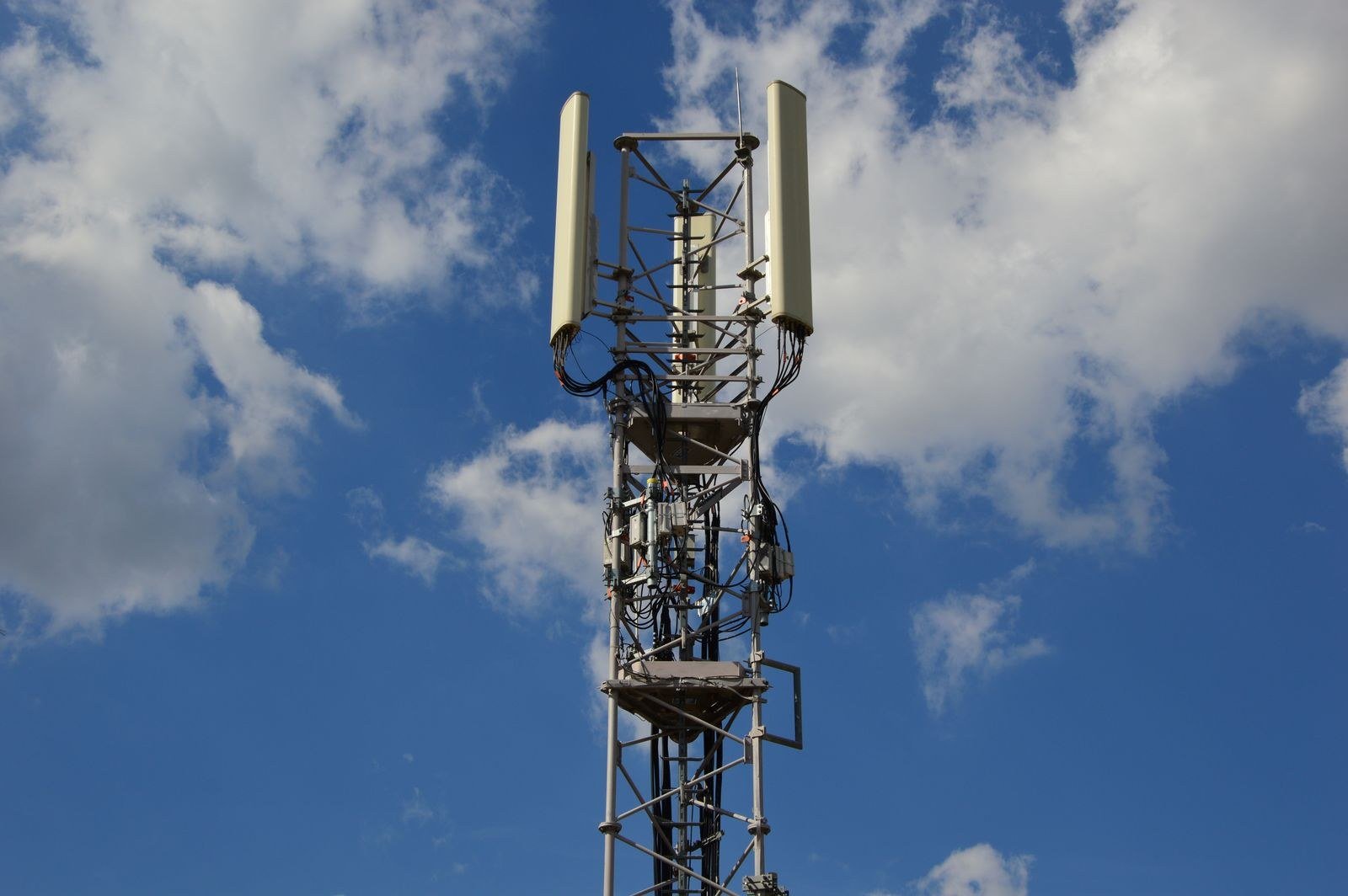
5G home broadband is a mobile connection wearing a bigger coat. The hub contains a 5G modem and a SIM, connects to the same masts your phone uses, and rebroadcasts the connection as home Wi-Fi. Everything about it flows from that: no installation, total dependence on signal quality at your address (and at the exact spot in your house where the hub sits), and performance that breathes with the local network — faster at midnight, slower when the whole street is streaming through the same mast on a wet Sunday. Ofcom’s Connected Nations update for spring 2026 tracks both worlds: full fibre reached 82% of UK homes by January 2026, while 5G coverage continues to widen outdoors — but for home broadband, the only coverage figure that matters is the signal inside your front room.
Speed: the headline versus the typical evening
On advertised averages, the two look closer than you might expect. Three, the biggest seller of 5G home broadband, quotes average download speeds of 150Mb; EE quotes an average of 146Mb for its 5G hub. That is faster than most part-fibre packages (typically 36–67Mb averages) and in the same league as entry-level full fibre. In strong-signal areas, real 5G results of 200–400Mb at quiet times are common, and our mobile speed test will show you exactly what your phone — and therefore roughly a hub — can pull at your address.
Full fibre answers with ceiling and stability rather than a single average: packages run from 150Mb to 900Mb and beyond, and a 500Mb package delivers close to 500Mb at breakfast and at prime time alike. The fair summary: a good 5G connection beats a mediocre part-fibre line most of the time; a full fibre line at any mainstream tier beats 5G for consistency, and at the top tiers beats it outright. If full fibre is available at your address, check what it costs before assuming the hub is cheaper — run your address through our broadband availability checker and compare like with like using our broadband speed test results as your current baseline.
The differences that actually bite: latency, uploads and CGNAT
- Latency. Full fibre typically answers in well under 10ms. 5G usually lands somewhere in the 30–50ms region in independent testing — fine for streaming, video calls and most gaming, but competitive players and anyone who has felt the difference will notice it, and it wobbles more under load.
- Upload speeds. 5G uploads are commonly a fraction of its downloads — often 10–30Mb where downloads are 200Mb — while full fibre packages offer far stronger uploads, up to symmetric speeds on some networks. If you send large files, stream yourself, or back up a photo library, this matters more than the download headline.
- CGNAT and port forwarding. Mobile networks usually place home hubs behind carrier-grade NAT, which means no true public IP address for your home. Remote access to home servers, some security camera setups, port forwarding and certain games’ NAT types can misbehave or fail outright. Fibre connections (with rare exceptions on some newer networks) give you a routable address and a router you fully control.
- Consistency through the day. Fibre’s enemy is a fault; 5G’s enemy is arithmetic — every additional user on your mast shares the same capacity. A hub that flies in your first-week tests can soften over months as neighbours adopt the same trick.
Contracts, cost and the freedom factor
Here the hub lands real punches. 5G home broadband commonly comes on rolling monthly or 12-month terms as well as cheaper 24-month deals, with unlimited data as standard, no installation fee or engineer, and — from Three — a 30-day money-back guarantee that makes it close to risk-free to trial. It travels with you to a new address without a house-move process, needs no landlord’s permission for drilling, and can be working the day after you order. Fibre counters with lower prices at equivalent speeds in many areas, gift-card sweeteners on longer contracts, and performance guarantees that mobile services do not match: minimum guaranteed speeds, for instance, are a fixed-line code-of-practice concept. Judge both on total cost over the term, and remember prices for both rise mid-contract under the pounds-and-pence rules.
The decision, in three questions
1. Can you get full fibre at a fair price? If yes, choose fibre for a main family home, a gaming household, a heavy uploader or anyone who needs their connection boringly identical every day — and use 5G, if at all, as a backup. If full fibre is unavailable, delayed, or priced absurdly at your address, the contest is really 5G versus part-fibre, and 5G often wins it.
2. What does the signal do inside your house? Test it before committing: run speed tests on your phone (on the network you are considering) at the window where the hub would live, at peak evening time, not just at noon. A strong, steady result says the hub will thrive; a signal that swings between 5G and 4G and between 20Mb and 200Mb says it will frustrate you. Postcode-level coverage detail from thinkbroadband’s checker helps, but your own handset at your own window is the decisive evidence.
3. How much do flexibility and speed of setup matter? Renting short-term, between homes, in a student house, or needing internet tomorrow: the hub’s case becomes overwhelming. Settled for years and working from home: the cable’s case does. Neither answer is a compromise — they are different tools, and the mistake is buying one while needing the other.
The hybrid option nobody advertises: both
A growing number of home workers quietly run the two together: a modest fibre package as the main connection, and a 5G hub (or a data SIM in a dual-WAN router) as the insurance policy that takes over when the fixed line faults or the road outside gets dug up. It costs more than either alone, but less than one day of lost work for many people, and it inverts the usual comparison — the 5G connection no longer has to be brilliant, merely present, while the fibre line no longer has to be perfect, merely usual. If you are weighing the two purely as rivals, though, the questions above still settle it; the hybrid is for households that have already decided the answer to “what happens when it breaks?” is “nothing good”.
Frequently asked questions
Is 5G home broadband faster than fibre?
Compared with part-fibre, often yes: 5G hubs advertise average downloads around 146–150Mb against 36–67Mb for typical part-fibre packages. Compared with full fibre, no — full fibre packages run to 900Mb and beyond, hold their speed at peak times, and add lower latency and stronger uploads. The right comparison is always against the specific fibre available at your address.
Can I game on 5G home broadband?
Casual and mainstream gaming works well for most players, with latency usually in the 30–50ms range. Two cautions: competitive players will feel the extra latency versus fibre, and carrier-grade NAT can cause strict-NAT problems in some titles and block port forwarding entirely. If gaming is the main use, fibre remains the safer buy.
Does 5G home broadband have data limits?
The mainstream UK 5G home broadband plans are unlimited, subject to fair-use terms against extreme or commercial-scale usage. That is a genuine advantage over older mobile broadband and some satellite services — just confirm the fair-use wording on the specific plan before signing, especially on shorter rolling contracts.
Why is my 5G hub fast in the morning and slow in the evening?
Because you share your local mast’s capacity with everyone else connected to it, and demand peaks in the evening. Moving the hub — upstairs, at a window facing the mast, away from thick walls and metal — can improve things noticeably, since a stronger signal lets the hub use faster 5G modes. If evenings remain poor after repositioning, the mast is simply busy, and that is the structural weakness no hub setting can fix.
Can I use my own router with 5G home broadband?
Often, yes — many hubs offer a bridge or passthrough mode, or you can run your own router behind the hub in access-point mode, accepting some limitations from the mobile network’s NAT. If full control of your network (port forwarding, custom DNS, a public IP) is a hard requirement, treat that as a point for fibre and check the specifics before ordering.
Pick the connection your household actually lives on
For most settled homes with full fibre on the pole outside, fibre is still the answer: faster at the top, steadier all day, kinder to gamers and uploaders. For everyone the cable has forgotten, delayed or overpriced — and for anyone whose life does not sit still — 5G home broadband is a genuinely good product, not a stopgap. Test your own signal with our mobile speed test at the window, at peak time, and let that number make the decision.